Kombucha Second Fermentation Not Fizzy? 7 Carbonation Fixes
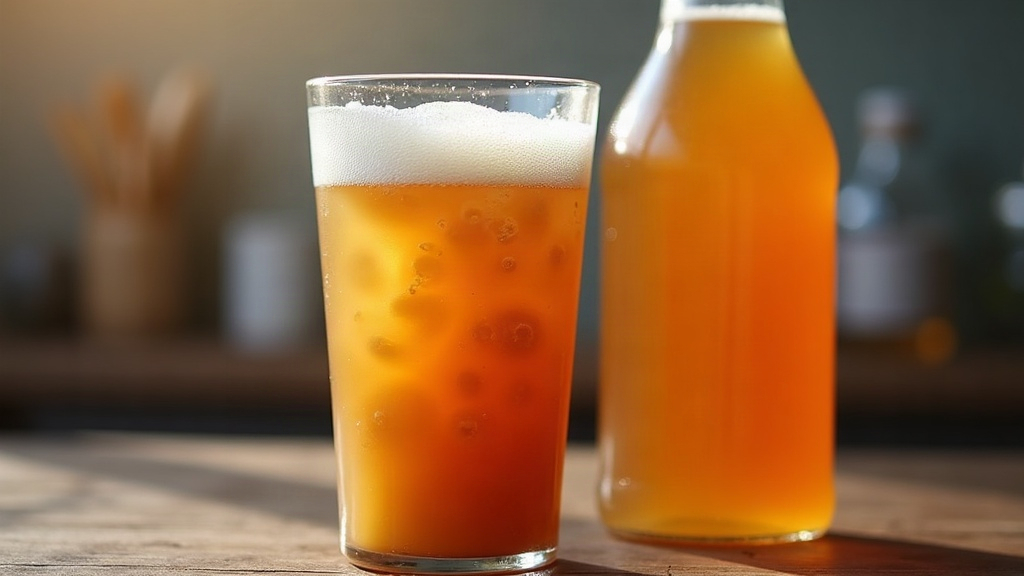
If your kombucha comes out flat after the second fermentation, you’re not alone. It’s one of the most common brewing frustrations out there, much like a stuck mead fermentation. The good news: flat kombucha almost always comes down to a handful of fixable variables, like insufficient sugar, weak yeast activity, temperature, or gas-permeable bottles. Below are seven practical fixes to get that satisfying fizz back.
Why Kombucha Loses Its Fizz
Carbonation in kombucha comes from yeast consuming sugar and producing CO2 as a byproduct during the sealed second fermentation (F2). If that process stalls, or the gas just escapes, you end up with flat, still kombucha. The cause is usually one (or more) of these issues:
- Not enough residual sugar or food for the yeast
- Fermentation temperature too low
- Bottles that leak gas
- F2 duration too short
- Weak or depleted yeast/SCOBY culture
- Too much headspace in the bottle
- Opening bottles too often to “burp” them
1. Use Swing-Top or Pressure-Rated Bottles
Screw-cap bottles, especially plastic ones or bottles with worn gaskets, often let CO2 slowly escape without you noticing. Switch to thick glass swing-top (Grolsch-style) bottles with a fresh rubber gasket. If the gasket looks cracked or flattened, just replace it. A $1 part can be the difference between fizzy and flat kombucha.
2. Add Enough Sugar or Fruit for F2
Yeast needs fuel to produce carbonation, plain and simple. A common ratio is 1-2 tablespoons of sugar, honey, or fruit juice per 16 oz (473 ml) bottle. If you’re using fresh fruit, aim for about 10-20% of the bottle’s volume in chopped or pureed fruit. Low-sugar recipes (like stevia-sweetened kombucha) won’t carbonate well because there’s simply nothing left for the yeast to eat.
3. Warm It Up
Yeast activity slows dramatically below 68°F (20°C). If your kitchen runs cool in winter, carbonation can take twice as long, or stall out completely. Move bottles to a warmer spot: on top of the fridge, near (not directly on) a heating vent, or use a seedling heat mat set to 75-78°F (24-26°C). Most kombucha carbonates well within 2-4 days at this range.
4. Extend the Second Fermentation Time
Many people rush F2, assuming 24-48 hours is enough. It usually isn’t. In cooler conditions or with less sugar, it can take 4-7 days to build real pressure. Check daily by listening for a hiss when you crack the seal slightly. No hiss means it needs more time, so just wait it out.
5. Minimize Headspace in the Bottle
Too much air space at the top of the bottle means the yeast has to produce more CO2 before pressure builds enough to dissolve into the liquid. Fill bottles to within 1-2 inches (2.5-5 cm) of the top, leaving just enough room for fruit and expansion, nothing more.
6. Boost Yeast Activity with a Starter Addition
If your SCOBY or starter liquid is old, weak, or has been sitting in the fridge for weeks, it may lack the active yeast needed for a strong F2. Try adding a splash of unflavored, unpasteurized kombucha with visible yeast strands (those stringy bits at the bottom of the jar) to each bottle before sealing.
7. Stop Burping Bottles So Often
“Burping” (briefly opening bottles to release pressure and check progress) is useful for safety, sure. But every time you do it, you release built-up CO2 and basically reset the clock. Limit burping to once a day, and only fully open bottles when you’re actually ready to drink them.
Quick Troubleshooting Checklist
- ✅ Swing-top bottles with good seals
- ✅ At least 1-2 tbsp sugar/fruit per 16 oz bottle
- ✅ Room temp 75-78°F (24-26°C)
- ✅ F2 duration of 3-7 days
- ✅ Minimal headspace
- ✅ Active, fresh starter liquid
- ✅ Limited burping
Final Thoughts
Flat kombucha is rarely a lost batch. Usually it’s just a sign that one input (sugar, temperature, time, or seal quality) needs adjusting. Start with the bottle and sugar ratio, since those are the easiest wins, then work through temperature and fermentation time. Tweak a couple of these variables and your next batch should come out perfectly bubbly.