Why Did My Tepache Turn to Vinegar in Three Days?
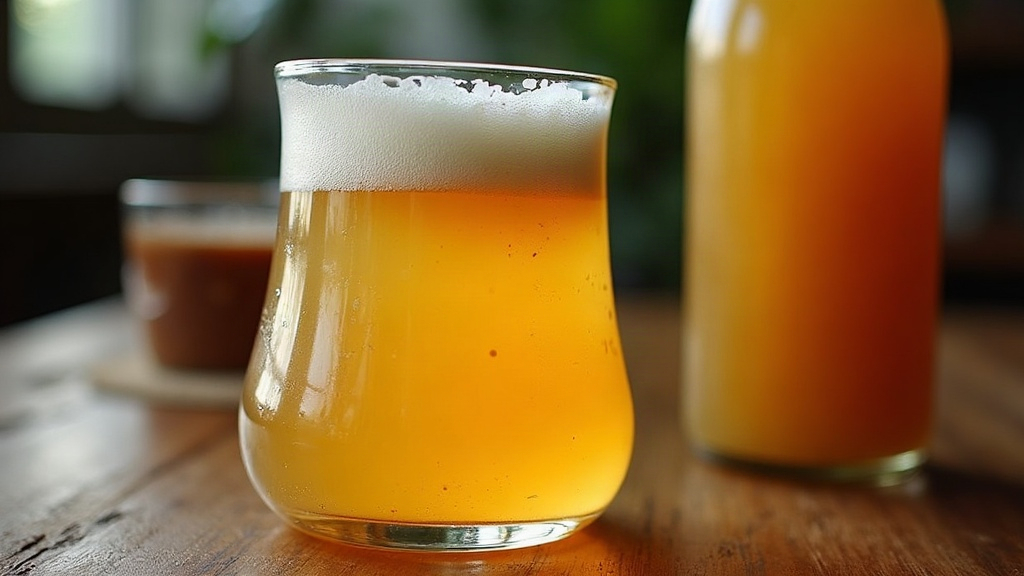
If your tepache went from sweet and fizzy to sharp and sour in just three days, it’s almost always because acetic acid bacteria (the same ones that make vinegar) took over your ferment. Usually that happens because of warm temperatures, too much airflow, or letting it sit a day or two too long. The good news? In most cases it’s still safe to drink. It just won’t taste like tepache anymore.
Why Tepache Turns Sour So Fast
Tepache is a wild fermentation made from pineapple rind, piloncillo (or brown sugar), water, and sometimes cinnamon or cloves. Unlike a controlled culture, say kombucha’s SCOBY or a sourdough starter, tepache relies entirely on whatever wild yeasts and bacteria happen to be floating around on the pineapple skin and in your kitchen air. That’s what makes it fast, fun, and more than a little unpredictable.
Here’s what’s actually happening inside the jar:
- Day 1–2: Wild yeasts eat the sugar and produce alcohol and CO2. This is the sweet, fizzy, slightly boozy stage people are usually after.
- Day 2–4: Acetic acid bacteria (AAB), naturally present on the fruit, start converting that alcohol into acetic acid. In other words, vinegar.
- Day 4+: Left unchecked, the vinegar bacteria take over completely and the drink turns tangy, sharp, and eventually becomes straight-up pineapple vinegar.
Three days sits right in that danger zone, especially in warm climates or heated apartments.
The Main Causes of a Vinegary Tepache
1. Temperature Was Too High
Acetic acid bacteria love warmth, anything above 75°F/24°C gives them an edge. If your kitchen runs hot, the vinegar-producing stage can overtake the sweet stage within 48 to 72 hours instead of the 2 to 3 days of sweetness you were counting on.
2. Too Much Oxygen Exposure
Tepache is traditionally fermented under loose cover (a cloth or a lid set ajar) so CO2 can escape. But too much open airflow also feeds oxygen-loving acetic acid bacteria, which speeds up the vinegar conversion. There’s a balance here, and it’s easy to miss.
3. Fermented a Bit Too Long
Even a few extra hours matters once the weather’s hot. Tepache should be tasted daily starting on day 2. The moment it hits the flavor you want, it needs to go straight into the fridge to slow things down.
4. Not Enough Sugar
Sugar is yeast food, plain and simple. Skimp on the piloncillo or brown sugar and the yeast burns through its fuel fast, leaving an opening for the acetic bacteria to move in early.
5. Previous Batch Contamination
Reusing a jar, spoon, or cheesecloth that still carries residual vinegar bacteria from an earlier batch can “seed” your new ferment with AAB from day one, before the yeast even gets a head start.
Is Vinegary Tepache Still Drinkable?
In most cases, yes. If it simply tastes sour or tangy rather than smelling rotten, moldy, or chemically off, it’s safe to drink. What you’ve got is essentially a mild pineapple vinegar, not spoiled food. Acetic acid is actually a natural preservative, which is exactly why vinegar itself never spoils.
Signs it’s fine, just sour:
- Sharp, tangy, vinegar-like smell and taste
- Still bubbly or lightly fizzy
- Clear or slightly cloudy liquid (cloudiness from yeast is normal, not a red flag)
Signs to toss it:
- Fuzzy mold on the surface (a thin white film from yeast is usually okay, but green, black, pink, or fuzzy spots are not)
- A rotten, sulfurous, or distinctly “off” smell, nothing like vinegar or pineapple
- A slimy texture or stringy film (could mean unwanted bacterial contamination crept in)
What To Do With Sour Tepache
Don’t pour it down the drain. Repurpose it instead:
- Use it as a marinade base for pork, chicken, or carnitas. It works surprisingly well, much like a mild vinegar marinade would.
- Mix it into salad dressings in place of apple cider vinegar.
- Dilute it with sparkling water and a splash of extra sugar or honey to soften the sourness into something like a shrub-style drink.
- Stir it into slow-cooked beans or braises for a little acidity and depth.
How to Prevent It Next Time
- Keep the ferment somewhere cooler, 68–72°F/20–22°C is the sweet spot.
- Start tasting on day 2, and check every 12 hours if your kitchen runs warm.
- Don’t skimp on the piloncillo or sugar.
- Refrigerate the moment it tastes right. Cold nearly halts fermentation on the spot.
- Use a clean jar and a fresh cloth each time to avoid cross-contamination from the last batch.
Final Thoughts
A tepache that turns to vinegar in three days isn’t a failed batch. It’s a fermentation that simply moved faster than you expected, usually thanks to heat or a little extra time in the jar. As long as it smells like tangy pineapple rather than something rotten, it’s perfectly fine to drink or repurpose. Think of the vinegar version as a bonus ingredient rather than a mistake, and dial in your temperature and timing next round to land back in sweet-tepache territory.