Advanced Kimchi: Controlling Fermentation Speed With Salt Ratios
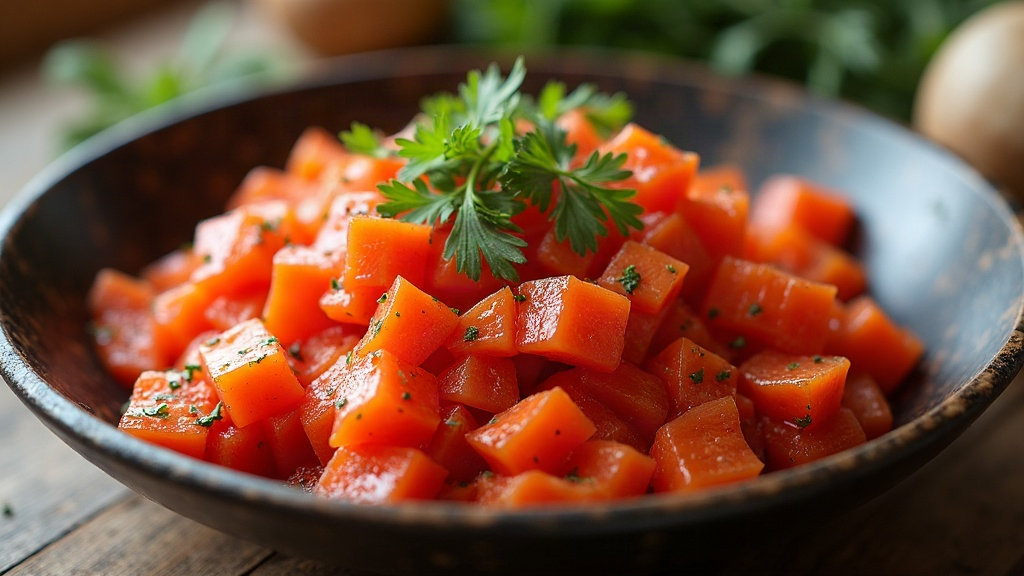
Controlling kimchi fermentation speed really comes down to two levers you can actually manage: salt concentration and temperature. Dial these in correctly and you can swing from a crisp, mild kimchi ready in two days to a deeply funky, sour batch aged for months. On purpose, not by accident.
Why Salt and Temperature Matter More Than Time
New kimchi makers tend to treat time as the main control knob (“just ferment for 3 days”). But time isn’t really a variable, it’s an outcome. Two things upstream decide everything:
- Salt concentration determines which microbes survive and how quickly they reproduce.
- Temperature sets the metabolic rate of those microbes, basically how fast they chew through sugar and churn out lactic acid.
Nudge either one and the “right” fermentation time moves a lot. That’s exactly why a recipe calling for “48 hours” can taste completely different in a chilly kitchen in December versus a warm one in July.
Salt Ratios: The Gatekeeper of Fermentation
Salt pulls triple duty here: it draws water out of the cabbage through osmosis, keeps spoilage organisms in check, and slows down (without stopping) the lactic acid bacteria (LAB) that actually drive fermentation.
Recommended Salt Ranges
- 2-3% salt by weight of vegetables: Fast, lively fermentation. Great for quick kimchi (geotjeori-style) you plan to finish within a week.
- 3-5% salt by weight: This is the classic sweet spot. Balanced speed, decent crunch retention, comfortable safety margin.
- 5-7% salt by weight: Slow going, the range favored for long-aged kimchi (mukeunji) meant to sit and mature in cold storage for months.
Here’s the math: weigh your prepped cabbage after trimming, then multiply by your target percentage. Got 1 kg of cabbage and want 3%? That’s 30g of salt total, split between the initial brine soak and the seasoning paste.
Why Higher Salt Isn’t “Safer” Across the Board
More salt doesn’t simply mean kimchi lasts longer on the shelf, it actually reshapes which microbes win the race. Low salt favors fast-growing but less acid-tolerant bacteria early on, giving you bright, fizzy, carbonated flavors quickly (think of that first pop when you open the jar). High salt holds back that early rush, giving slower, more salt-tolerant LAB strains, Leuconostoc first, then Lactobacillus later, room to build a deeper, more layered sourness over time.
Temperature: The Accelerator Pedal
Once salt sets the stage, temperature decides the pacing.
| Temperature | Fermentation Speed | Typical Timeline |
|---|---|---|
| 18-22°C (64-72°F) | Moderate | 2-4 days to first tang |
| 23-27°C (73-80°F) | Fast | 1-2 days to first tang |
| 4°C (39°F), fridge | Very slow | 2-4 weeks for mild sourness |
| -1 to 2°C (30-36°F), kimchi fridge | Extremely slow | Months, develops deep complexity |
Plenty of Korean households use a two-step trick: let the kimchi sit at room temperature for 24-48 hours so the LAB get going, then move it to cold storage to slow everything back down, letting the flavor mature without tipping into overly sour territory too fast.
Combining Both Variables: A Practical Framework
- Pick your target flavor first. Mild and fresh, or deep and funky?
- Choose salt based on how long you’ll store it. Eating within the week? Go lower, 2-3%. Aging for months? Push higher, 5%+.
- Use temperature to fine-tune speed inside that salt range. Warm kitchen, no AC? Lean toward the higher end of whichever salt bracket you picked, to compensate.
- Taste it every day during the active phase. Fermentation doesn’t move in a straight line, so check at 24, 48, and 72 hours before deciding to move it to the cold.
Troubleshooting Common Issues
- Too sour, too fast: Bump the salt up slightly next time, or shift to cold storage earlier.
- Mushy texture: Usually traced back to under-salting during the initial brine soak (cabbage needs real osmosis before seasoning goes on) or fermenting warm for too long.
- No bubbles, no sourness after a week: Salt’s probably too high for the temperature, or the room’s just too cold. Try moving it somewhere warmer, 20-24°C, for a few days.
- Off smells, not tangy but actually rotten: Check your salt math. Anything under roughly 2% total opens the door for spoilage organisms to outcompete the LAB, especially in warm weather.
Conclusion
Salt ratio and temperature aren’t just safety boxes to check, they’re the real creative dials for kimchi. Measure salt as a percentage of vegetable weight, match it deliberately to your fermentation temperature, and you trade guesswork for results you can actually repeat. Start with 3% salt at room temperature for your first controlled batch, then nudge things in small steps as you get a feel for how your own kitchen behaves.