Does Peeling Garlic Before Fermenting in Honey Lower Botulism Risk?
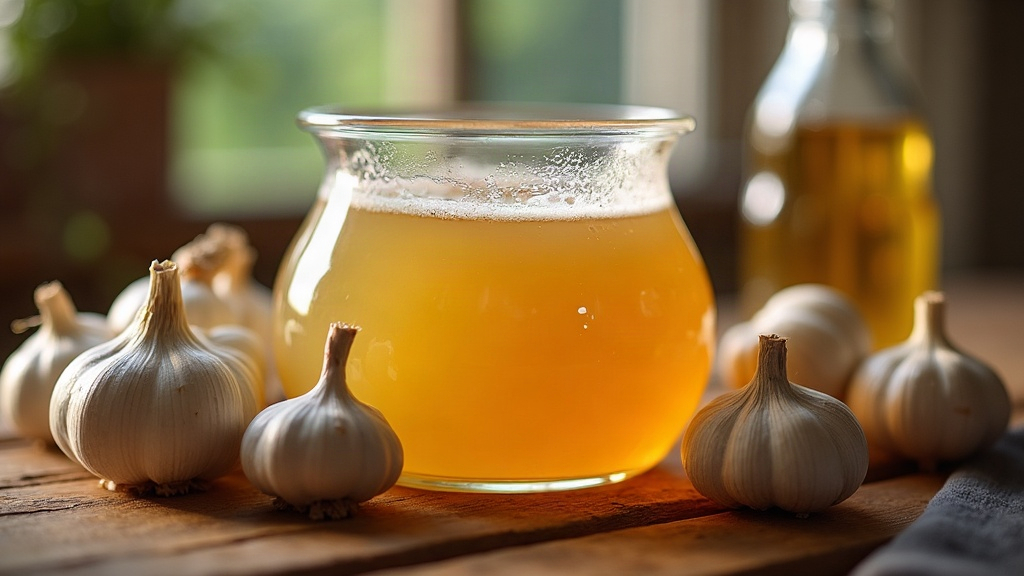
Peeling garlic before you drop it into honey to ferment does not meaningfully cut your botulism risk. The factors that actually matter are oxygen exclusion, acidity, moisture, and storage temperature, not whether that papery skin is still clinging to the clove. Peeling is a texture and cleanliness choice. It’s not a safety intervention, no matter how often people treat it like one.
Why This Question Keeps Coming Up
Garlic honey (raw cloves submerged in raw honey, left to ferment at room temperature) has turned into a popular kitchen remedy and condiment over the last few years. It’s also one of the go-to examples food safety folks cite when warning about combinations that can support Clostridium botulinum growth. Naturally, that’s made a lot of home fermenters nervous enough to ask whether small prep choices, peeling included, change the math. Fair question. But it’s based on a misunderstanding of where the actual danger sits.
What Actually Causes Botulism Risk in Garlic Honey
C. botulinum spores are everywhere in soil. They turn up on unwashed garlic and even in raw honey itself, sitting there dormant and harmless. Things get dangerous only when conditions let them wake up and start producing toxin:
- Low oxygen environment. Garlic submerged in honey, especially once it releases moisture and sinks, creates a nice anaerobic pocket right where the clove sits.
- Low acidity. Honey’s pH is low overall, sure, but the moisture that leaches out of the garlic forms small localized pockets of diluted, less acidic liquid right around each clove.
- Room temperature storage. Warmth speeds up fermentation, and under the wrong conditions, it speeds up spore germination too.
- Extended storage time. The longer those anaerobic, low-acid pockets sit around, the more the risk compounds.
Peeling touches exactly none of these. Skin on or skin off, the clove still weeps moisture, still ends up in an oxygen-starved pocket once it’s under the honey, and still relies entirely on the honey’s overall acidity and water activity to stay stable.
So What Does Peeling Actually Change?
Peeling garlic before fermenting does affect a few things, just not the ones that matter for botulism:
- Surface contaminants. Skins can hold onto dirt and soil residue, so peeling might shave off a bit of initial microbial load. That’s not a reliable control method against botulism, though, not even close.
- Fermentation speed. Peeled cloves expose more surface area to the honey. They tend to ferment faster, softening, shifting color, bubbling, while unpeeled cloves lag behind.
- Texture and flavor. Peeled garlic blends more evenly into the honey and is simply easier to eat whole, straight off a spoon.
- Visual monitoring. It’s easier to track color changes on peeled cloves. Garlic often turns blue-green or brown during fermentation, by the way, which is a normal pigment reaction, not a sign of spoilage.
None of that moves the needle on actual safety.
What Actually Reduces Risk
If you care about real risk reduction in a fermented garlic honey batch, put your attention here instead:
- Refrigerate it. Keeping things below 40°F (4°C) slows C. botulinum activity dramatically, sometimes stopping it cold. A common approach: let the jar sit at room temperature for a few days to a week to kickstart fermentation, then move it to the fridge.
- Use raw, unpasteurized honey with known low moisture content. Honey with higher water activity is friendlier territory for microbes, so this isn’t a trivial detail.
- Keep the garlic fully submerged. Any clove poking above the surface is exposed to air and a much higher contamination risk. Weigh it down or stir regularly, whatever keeps everything underwater.
- Watch for warning signs. Bulging lids, off smells (rancid, “cheesy,” sulfurous beyond what’s normal for garlic), weird sliminess, or any mold: toss the batch, no debate.
- Don’t stretch storage time too far. This isn’t a shelf-stable pantry item you forget about for two years. Treat it like a refrigerated ferment meant for a few months of reasonable use.
- Keep it away from infants. Honey in any form, fermented or raw, should never go to a child under 12 months because of infant botulism risk. That’s not specific to garlic, but it bears repeating every time this topic comes up.
The Bottom Line on Peeling
Peeling is a convenience call, maybe an aesthetic one too. It doesn’t touch oxygen levels, pH, or temperature, the three things that actually determine whether a honey-garlic ferment is safe. Want to peel for easier eating or quicker fermentation? Go for it. Just don’t mistake it for a safety step, and don’t skip refrigeration or submersion because you figure peeled garlic is somehow inherently safer. It isn’t.
Conclusion
Botulism risk in fermented garlic honey comes down to oxygen exclusion, acidity, moisture, and temperature, full stop, not whether you bothered to remove the skin. Peel for taste and texture if that’s what you prefer. But the real safety work happens through refrigeration, full submersion, and paying attention to your jar over time.