Why Milk Kefir Grains Stopped Multiplying and Turned Grainy
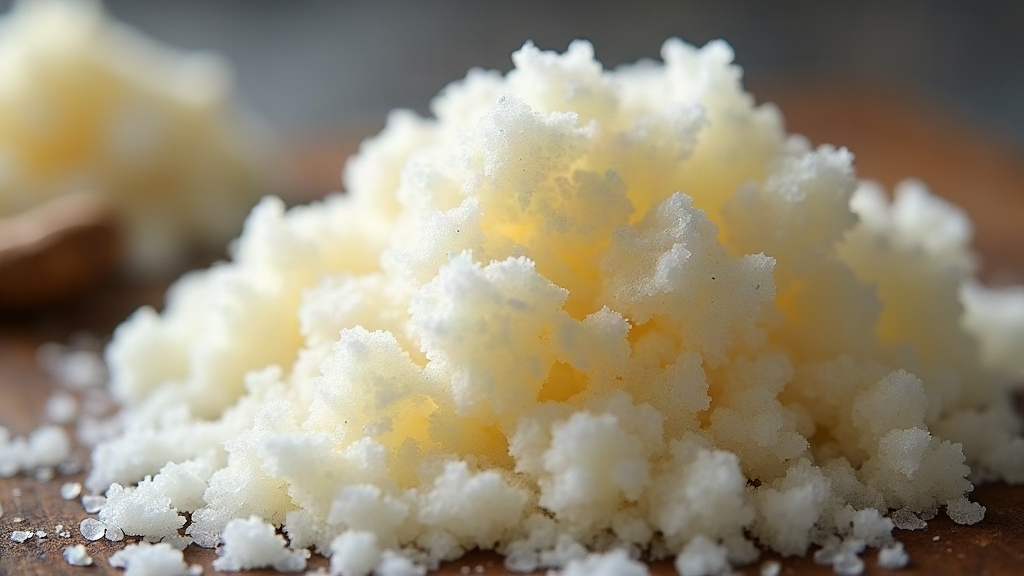
If your milk kefir grains have stopped multiplying and now feel grainy, crumbly, or weirdly firm instead of soft and plump, nine times out of ten it’s a sign the grain’s microbial balance is under stress. Temperature swings, mediocre milk, leaving the batch too long, mineral depletion… any of these can do it. The decent news is that it’s usually fixable with a few targeted tweaks to your routine, not a total culture restart.
What “Grainy” Actually Means
Healthy milk kefir grains look like small, irregular cauliflower florets: a bit translucent, squishy, almost rubbery to the touch. When they go grainy, you’ll typically notice:
- Smaller, harder pieces, almost like cooked rice grains
- A pale or chalky look instead of creamy white
- Sluggish fermentation (24+ hours and the milk barely thickens)
- No real growth in volume even after weeks of regular feeding
This texture shift is basically your grains telling you the yeast-to-bacteria ratio inside has gone off, or that the kefiran (the polysaccharide “glue” holding the grain together) is starting to break down.
Common Causes
1. Temperature Stress
Kefir grains do best in the 68-78°F (20-25°C) range. A kitchen that stays below 65°F slows the bacteria down, while anything above 85°F tends to let the yeast take over, and both situations can mess with texture over time. If your place swings a lot between day and night, say a cold tiled kitchen that heats up in the afternoon sun, the grains never really get to settle into a rhythm.
2. Milk Quality Issues
Ultra-pasteurized or UHT milk just doesn’t give the grains the nutrients they need to rebuild. Even regular pasteurized milk can fall short if it’s been sitting in the fridge for a week or is low-fat: the grains end up starved of the fat and protein that drive healthy growth. Raw or minimally processed whole milk, by comparison, usually produces the fastest multiplication.
3. Over-Fermentation
Leave the grains in milk past 36 hours and you’ve burned through most of the lactose, leaving an environment that’s too acidic for comfort. That acid stress eats away at the kefiran coating, and over several batches you’ll see the grains shrink and harden.
4. Mineral Depletion
Grains pull calcium, magnesium and other minerals straight from the milk. Keep reusing the same jug without rotating in fresh milk, or lean too heavily on plant-based alternatives like almond, oat or soy milk, and you’re slowly stripping away the minerals grains need to keep their cell walls intact.
5. Contamination or Mold Exposure
No visible mold doesn’t mean no problem. Airborne yeast or bacteria from other ferments in the same kitchen (sourdough starter on the counter, a kombucha SCOBY nearby) can quietly compete with your kefir culture, slowing things down and changing the texture bit by bit.
6. Washing Too Often
Rinsing grains under chlorinated tap water, or washing them after every single batch, strips the protective kefiran layer along with the beneficial bacteria sitting on the surface. Honestly, grains tend to do better left alone, unwashed, batch after batch.
How to Revive Grainy, Non-Multiplying Grains
- Switch to fresh whole milk (organic, non-homogenized if you can get it) for at least 2 weeks straight.
- Cut fermentation down to 18-24 hours per batch. Strain as soon as the milk has thickened a touch and smells pleasantly tangy, don’t wait longer “just to be sure.”
- Keep the temperature steady by parking the jar in one consistent spot. Skip windowsills, the top of the fridge near a warm motor, ovens, or anywhere drafty.
- Give the grains a break every third batch: feed them extra-fresh milk with a small pinch of unrefined sea salt (skip the iodized kind) to top up trace minerals.
- Hold off on plant-based milks entirely until the grains bounce back. They just don’t carry the lactose and casein the grains rely on.
- Be patient. Recovery usually takes 3 to 6 batches, not a single overnight fix, so don’t panic if nothing’s changed after day two.
When to Consider Starting Over
If the grains turn slimy, show odd colors (pink, orange, black), or smell off even after you’ve done everything above, it’s time to let them go. That’s contamination, not stress, and no amount of careful feeding is going to make that safe to eat.
Conclusion
A grainy, stalled-out batch of kefir grains usually points to environmental or nutritional stress, not a dead culture. Fix the milk quality, shorten the fermentation window, and keep the temperature steady, and most people see their grains soften up and start multiplying again within a couple of weeks. It’s patience and consistency that bring kefir grains back, not drastic measures.