Jun vs Kombucha: A First-Time Brewer's Guide to Choosing
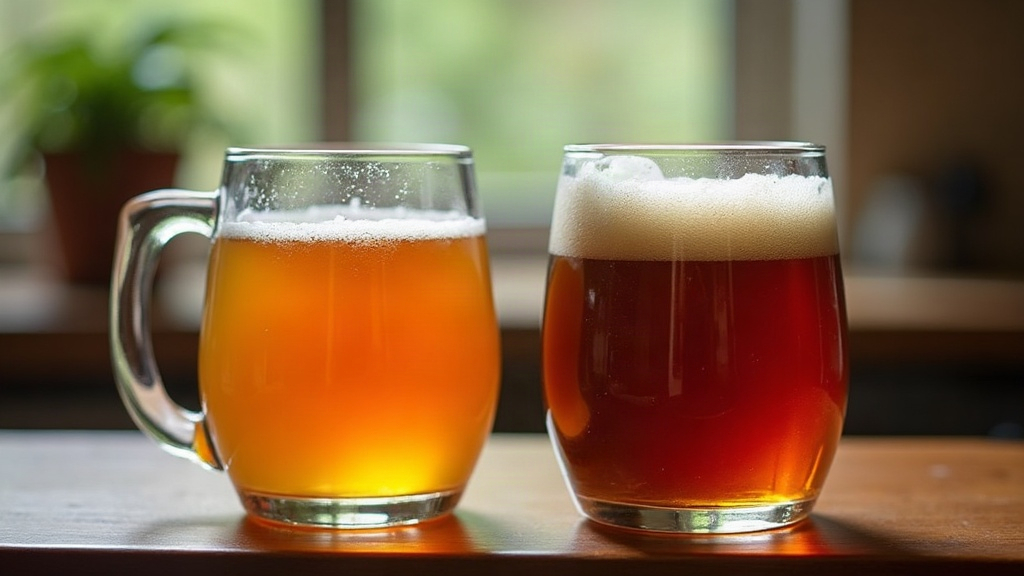
If you’re new to fermenting tea at home, the Jun vs kombucha question is usually the first fork in the road. Both are fizzy, probiotic-loaded tea ferments built on a living culture, but the ingredients, the timeline, and the flavor profile all diverge more than people expect. Here’s the real breakdown, so you can pick the one that actually fits your budget, your palate, and how much patience you’ve got on a given week.
What Is Kombucha?
Kombucha is fermented sweet tea, classically made with black or green tea and plain white sugar. The culture doing the work is called a SCOBY (Symbiotic Culture Of Bacteria and Yeast). It’s cheap, easy to find, and pretty hard to kill, which is exactly why most beginners start here.
Typical kombucha recipe:
- 1 gallon water
- 4-5 black or green tea bags
- 1 cup white sugar
- 1 SCOBY + 1-2 cups starter liquid (previously brewed kombucha)
Fermentation usually runs 7-14 days at room temperature (68-78°F).
What Is Jun?
Jun gets nicknamed “champagne kombucha,” and honestly, the name fits: it’s lighter, more delicate, and honey-sweet rather than sugar-sweet. Swap black tea for green, and cane sugar for raw honey, and you’re most of the way there. The Jun SCOBY is its own distinct organism, tuned to feed on honey’s different sugar makeup rather than table sugar.
Typical Jun recipe:
- 1 gallon water
- 4-5 green tea bags
- 1/2 to 3/4 cup raw honey
- 1 Jun SCOBY + 1-2 cups starter liquid
Jun moves fast. Most batches wrap up in 2-5 days, and it actually prefers things a touch cooler, around 65-75°F.
Key Differences at a Glance
Taste
- Kombucha: Bolder and tangier, leaning vinegary the longer it sits.
- Jun: Lighter, floral, gently sweet, with a fizz that genuinely reminds people of champagne.
Cost
- Kombucha: Cheaper over time. White sugar is a few dollars a bag; it lasts.
- Jun: Pricier per batch since raw honey isn’t cheap, though brewing smaller batches helps soften that hit.
Speed
- Jun finishes 2-3x faster than kombucha. Great if you’re impatient, but it also means you’re back in the kitchen managing a new batch every few days instead of every couple weeks.
Culture Availability
- Kombucha SCOBYs are everywhere: friends have extras, local swap groups exist, and online sellers ship them for under $15.
- Jun SCOBYs are harder to track down and cost more, though a growing number of fermentation shops now carry them.
Forgiveness for Mistakes
- Kombucha SCOBYs shrug off temperature swings, sloppy timing, and slightly-off sugar ratios.
- Jun cultures are pickier. Run the room too warm or get the honey ratio wrong, and you’ll notice it in the results.
Which Should a First-Time Brewer Choose?
Choose kombucha if you:
- Want the cheapest, most forgiving way in
- Like bold, tangy flavors
- Don’t mind a 1-2 week wait per batch
- Can get a SCOBY easily through friends or local groups
Choose Jun if you:
- Already brew kombucha and want something lighter and more refined
- Are fine spending more on raw honey
- Want quicker turnaround between batches
- Can keep your fermentation spot at a fairly steady temperature
Can You Switch a SCOBY Between the Two?
You can try to acclimate a kombucha SCOBY to honey, sure, but in practice it usually struggles or throws off weird, unpleasant flavors during the switch. Skip the conversion project. It’s far easier (and more reliable) to source or grow a proper Jun culture from the start.
Common Beginner Mistakes
- Using metal utensils. Stick to plastic, wood, or stainless steel. Reactive metals mess with the culture.
- Skipping starter liquid. That sour, acidic liquid is what keeps mold out during the early, vulnerable days.
- Letting it ferment too long. Both drinks get more sour and vinegary the longer they sit. Start tasting daily after day 5 for kombucha, day 2 for Jun.
- Mixing up the sugar. White sugar feeds kombucha SCOBYs; honey feeds Jun cultures. Cross them and you’ll get poor results.
Final Thoughts
For most people just starting out, kombucha is the easier win: cheaper, more forgiving, and the ingredients are sitting on any grocery store shelf. Once you’ve got a handful of solid batches behind you, branching into Jun opens up a lighter, quicker-fermenting option that stretches your skills a bit further. Either path gets you to the same place: a fizzy, probiotic-packed drink that makes store-bought kombucha taste flat by comparison.