Foraged Elderberry Wild Soda Before the First Frost
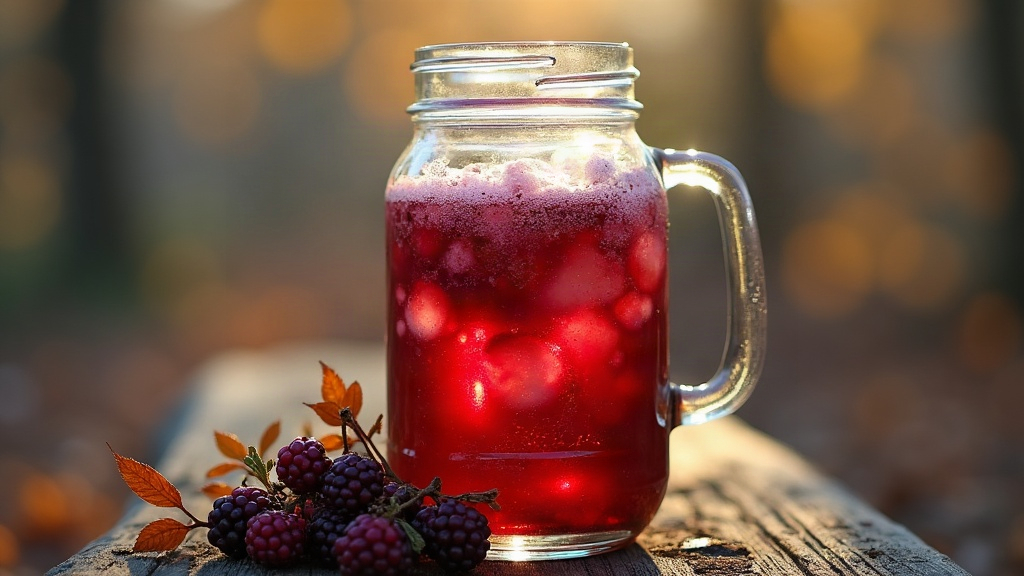
Foraged elderberry wild soda is that fizzy, tart-sweet drink you get from fermenting ripe elderberries with sugar and water, letting wild yeasts do the work instead of anything store-bought. The trick is timing: you want to start this in the final weeks before the first frost, right when the berry clusters hit peak ripeness and sugar content. Below is a rundown of how to spot ripe elderberries, catch the right window before the cold rolls in, and brew a simple, safe batch at home.
Why Timing Matters: The Pre-Frost Window
Elderberries (Sambucus nigra or Sambucus canadensis, depending on where you live) ripen anywhere from late summer into early or mid-autumn. As the season shifts, two things happen at once:
- The berries go fully dark, turning a deep purple-black and weighing down their clusters until they droop.
- Sugar levels climb, and that’s exactly what feeds the wild yeasts responsible for natural carbonation.
Frost itself won’t wreck elderberries the way it does, say, tomatoes. But wait too long and you’re gambling: birds will strip the bushes bare, berries drop to the ground, mold creeps into overripe clusters. The real sweet spot sits about two to three weeks before your area’s average first frost date. Check an almanac, or just pay attention to nighttime temps dipping toward 40°F (4°C).
Identifying and Harvesting Elderberries Safely
Misidentification happens more often than you’d think, so confirm what you’ve got before you pick a single berry:
- Clusters (umbels) hang downward when ripe. Compare that to the upright red berries of look-alikes like pokeweed or red elderberry, both of which are poisonous.
- Color needs to be deep purple-black, never red, and the berries should give slightly under light pressure, not feel hard as pebbles or shriveled up.
- Leaves are compound, with 5 to 9 serrated leaflets.
Important safety note: raw elderberries, along with their stems and leaves, carry compounds that can cause nausea if eaten uncooked. So always:
- Strip berries off the stems (a fork does this job well, just rake it through the cluster).
- Toss the stems and leaves entirely. Don’t let any end up in your ferment.
- Cook or ferment the berries. Never eat them raw.
Pick on a dry day, mid-morning once the dew’s burned off, if you can manage it. Less surface moisture means less chance of mold taking hold.
Building the Wild Soda
This recipe leans on the yeasts already living on the berries and floating in your kitchen air, which is where the “wild” part comes from. No packet of commercial yeast needed, though a pinch of it will speed things along if you’d rather not wait and want a more predictable fizz.
What You’ll Need
- 2 cups stripped, ripe elderberries
- 4 cups filtered water
- 3/4 cup sugar (cane sugar or honey both work)
- Juice of 1 lemon (adds acidity and helps keep the pH on the safer side)
- A clean glass jar with a breathable cover (cloth secured with a rubber band does the trick)
- A swing-top bottle for once fermentation kicks in and you need to trap the carbonation
Steps
- Simmer gently. Toss the berries and water into a pot, simmer for about 15 minutes to soften everything and pull out the juice. This step also neutralizes the raw-berry compounds mentioned earlier.
- Strain and sweeten. Strain out the solids, then stir in the sugar and lemon juice while the liquid’s still warm, until fully dissolved. Let it cool to room temperature before moving on.
- Ferment openly. Pour into your jar, cover with cloth, and let it sit at room temperature (65-75°F) for 2 to 4 days. Watch for small bubbles and a faint tangy smell. That’s your sign the wild fermentation is active and doing its job.
- Bottle for carbonation. Move the liquid into a swing-top bottle, seal it up, and leave it at room temperature another 1 to 2 days to build real fizz.
- Refrigerate and enjoy. Chill before opening, and open it slowly over a sink. Wild ferments can surprise you with how lively they get. Drink it within a week or two for best results.
Troubleshooting Common Questions
Is it safe if mold appears? Fuzzy mold on top means the whole batch goes in the trash, no exceptions. A thin, flat white film, that’s kahm yeast, is harmless and can just be skimmed off.
Why isn’t it fizzing? Usually it’s either too cold in the room, or there’s not quite enough sugar feeding the yeast. Add a little more sugar and find a warmer spot for it.
Can I use frozen elderberries if frost catches me early? Absolutely. Freezing doesn’t damage them at all, and once thawed, they perform nearly as well as fresh berries in this recipe.
Conclusion
Foraged elderberry wild soda is a genuinely satisfying way to squeeze the last bit of wild harvest out of the season before frost shuts the foraging window for good. Get the identification right, run that quick simmer for safety, and give it a few patient days of wild fermentation. What you end up with is a naturally fizzy drink that tastes like autumn itself: tart, earthy, and honestly, a little bit magical.