Sauerkraut Too Salty? How to Rescue and Rebalance Your Batch
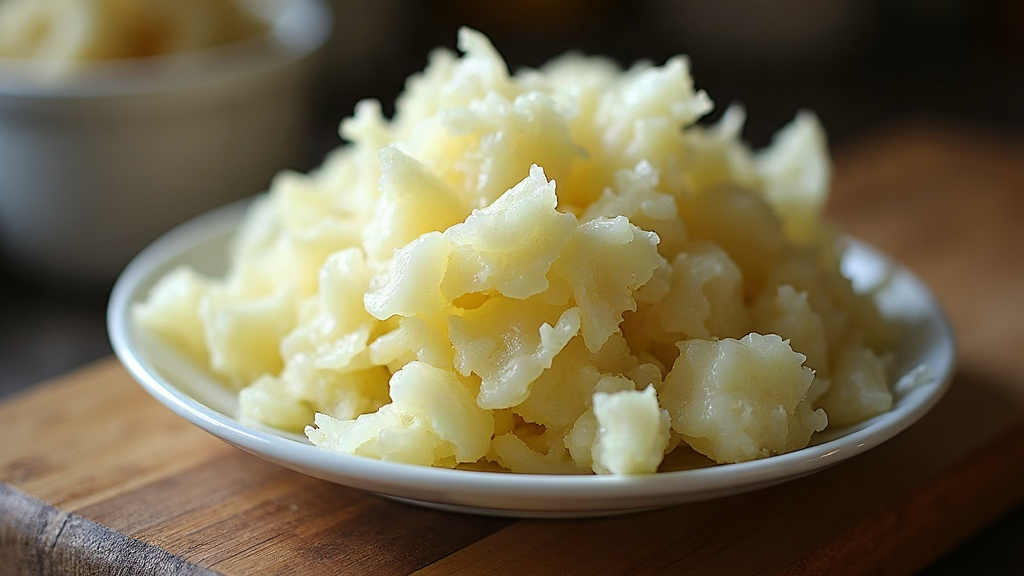
If your sauerkraut tastes like it fell into the Dead Sea, don’t panic and definitely don’t toss the jar. This is one of the easiest fermentation mistakes to fix. Salt levels can be tweaked before, during, or after fermentation, and none of those fixes will cost you the crunch or that tangy punch you’ve been waiting weeks for. Here’s what’s going wrong and how to walk it back.
Why Sauerkraut Turns Out Too Salty
Salt isn’t optional in sauerkraut. It pulls water out of the cabbage to form the brine, keeps rogue bacteria from taking over, and holds onto that crispness everyone loves. The problem is that it’s shockingly easy to overshoot the amount, especially if you’re scooping with a spoon instead of putting things on a scale.
A few usual suspects:
- Measuring by volume instead of weight. A tablespoon of kosher salt and a tablespoon of fine sea salt are not the same amount of sodium. Crystal size throws off the math every time.
- Using the wrong salt-to-cabbage ratio. You want somewhere between 1.5% and 2.5% salt by weight of the cabbage. Cross 3% and most people can taste the difference immediately, and not in a good way.
- Not enough water pulled from the cabbage, which leaves you with a smaller brine volume carrying the same amount of salt, so it tastes more concentrated.
- Long fermentation plus evaporation. Sitting for weeks means some liquid reduces, and the salt that’s left behind gets more noticeable.
How to Fix Sauerkraut That’s Too Salty
1. Rinse Before Serving
The quickest patch: scoop out what you’re about to eat, run it under cold water in a strainer for a few seconds, then pat it dry. This knocks the surface salt off without touching what’s already fermented inside the leaves. One catch: this is a per-serving move, not a whole-batch one. Rinse the entire crock and you’ll wash away a chunk of the beneficial bacteria along with some shelf life.
2. Dilute with Fresh Cabbage
Still actively bubbling away? Shred some fresh, unsalted cabbage and fold it into the crock. It’ll soak up brine and pull the overall salt percentage down. Push it under the liquid line and give it another few days to catch up with the rest.
3. Stretch It with Water
Already finished fermenting? Stir a little filtered water directly into the jar or your bowl. Start small, a tablespoon per cup of kraut is a good baseline, taste, then add more if needed. It softens the texture a bit, so this works best right before you’re about to eat it rather than for long-term storage.
4. Balance with Sugar or Acid
A pinch of sugar or a splash of apple cider vinegar won’t pull a single milligram of sodium out, but it does trick your tongue into registering less salt. This trick shines in cooked dishes, think braised sauerkraut or a kielbasa soup, where the extra layer of flavor blends right in.
5. Use It as an Ingredient, Not a Standalone Side
Salty kraut earns its keep when it’s diluted by everything else on the plate:
- Folded into mashed potatoes or potato pancakes
- Simmered into soups like borscht or kielbasa stew
- Layered into sandwiches with unsalted proteins and cheese
- Sautéed with unsalted onions and apples as a topping
Preventing Salty Sauerkraut Next Time
- Get a kitchen scale and use it. Aim for roughly 2% salt by weight, which works out to about 20g of salt per 1kg of cabbage. No guessing, no eyeballing.
- Massage the cabbage until your hands are tired. The more liquid you pull out, the more the salt gets diluted naturally, and the more likely your cabbage stays fully submerged.
- Write it down. Salt brand, exact grams, cabbage weight. A quick fermentation log means you can repeat a batch that worked instead of guessing again next time.
- Taste it early. In the first few days, if it already tastes too sharp, add a splash of plain unsalted water while it’s still fermenting and adjust course before it’s locked in.
When to Start Over
Salty is one thing. Harsh, bitter, or chemical-tasting is another problem entirely, and mold is a hard stop no matter what. In those cases, don’t try to rescue it, just dump it and start again with an actual scale this time. Salt is there to protect the ferment, but piling on more of it doesn’t make the batch safer. Proper ratio and keeping everything submerged under the brine, that’s what’s actually doing the protective work.
Final Thoughts
Too-salty sauerkraut almost never means the batch is ruined. Rinse a portion, dilute it, or fold it into a cooked dish, and you’ve got several ways back to balance. Longer term, though, the fix is boring but effective: weigh your salt and cabbage every single time. Do that once and you’ll stop dealing with this problem altogether, jar after jar of properly tangy, not overly salty, sauerkraut.