Why Your Sourdough Starter Smells Like Nail Polish (And What It Means)
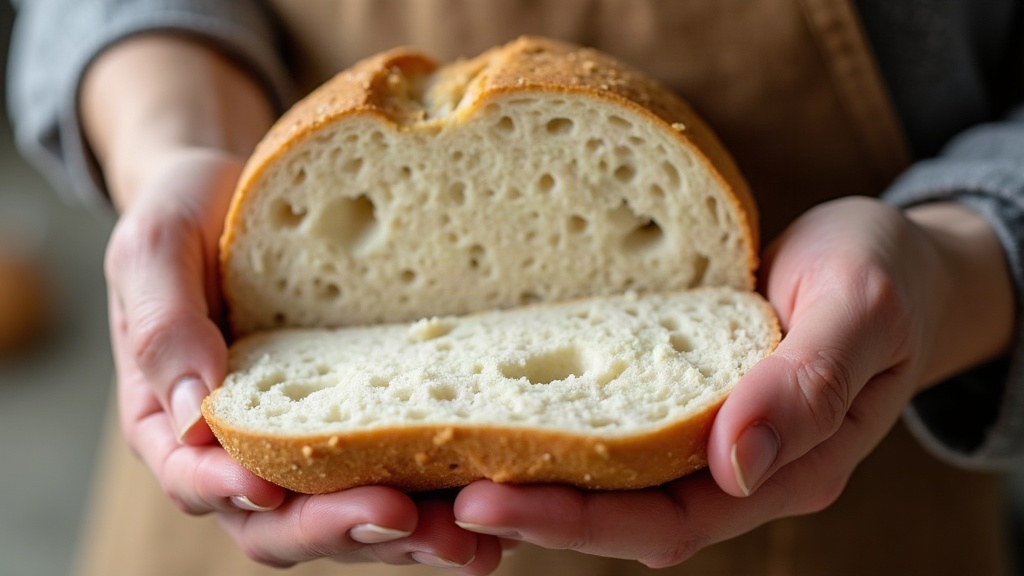
If your sourdough starter smells like nail polish remover, take a breath. That sharp, acetone-like whiff is almost always a sign of a hungry starter, not a dead one. Your yeast and bacteria have burned through their food supply and started churning out excess alcohol and acidic byproducts instead. One feeding, maybe two, and you’re usually back to that pleasant, tangy smell everyone associates with good sourdough.
What Causes the Nail Polish Smell?
A sourdough starter is a living colony of wild yeast and lactic acid bacteria, all busy fermenting flour and water. As that fermentation rolls along, the yeast produces ethanol as a natural byproduct. Leave the starter too long without a fresh meal and that alcohol just keeps accumulating until it starts to smell like:
- Nail polish remover
- Paint thinner
- Rubbing alcohol
- Sharp, fruity “boozy” notes
Why does this happen? Ethanol and related compounds like ethyl acetate are volatile, and they carry that chemically sweet, solvent-like aroma. It’s practically the same family of smell as the acetone in your nail polish remover bottle.
Common Triggers
- Skipped or delayed feedings, by far the most common culprit.
- Too much starter, not enough flour. An unbalanced ratio means less food to go around per organism.
- Warm kitchen temperatures. Heat accelerates fermentation, so your starter blows through its food supply faster than you’d expect.
- Long refrigeration without a proper feeding first. Cold slows things down, sure, but it doesn’t stop fermentation entirely.
- Old, low-hydration starter. Thicker starters trap alcohol and gas for longer, which only intensifies the smell.
Is It Safe? Should You Throw It Out?
Relax, it’s safe. That nail-polish odor is just a normal phase of fermentation, nothing close to mold or spoilage. Think of it as your starter shouting “I’m starving, feed me now” in the only language it has.
The real red flags to watch for are:
- Pink, orange, or black spots (that’s mold or harmful bacteria territory)
- A foul, rotten, “dirty diaper” smell (very different from sharp or boozy)
- Fuzzy growth on the surface
None of those present? Good. Your starter is alive, kicking, and just waiting for its next meal.
How to Fix a Starter That Smells Like Acetone
Step 1: Pour Off the Liquid (“Hooch”)
Notice a layer of grayish or brownish liquid pooling on top? That’s hooch, essentially pure alcohol runoff. Stir it back in if you want a stronger sour kick, or pour it off if you’d rather keep things milder.
Step 2: Discard Most of the Starter
Keep only about 1 to 2 tablespoons (roughly 20 to 30g). Fewer mouths to feed means the remaining culture recovers faster.
Step 3: Feed at a Higher Ratio
Skip your usual 1:1:1 for now. Try a 1:5:5 ratio (starter to flour to water, by weight) for a day or two. That extra flour dilutes the alcohol buildup and gives the yeast-to-bacteria population room to rebalance.
Step 4: Feed More Frequently
Bump feedings from every 24 hours to every 12 for 2 to 3 days, especially if your kitchen runs warm.
Step 5: Watch for Recovery Signs
Give it one or two feedings and you should start noticing:
- A milder, more pleasant tangy or yogurt-like smell
- Consistent doubling in size within 4 to 8 hours
- Steady, predictable bubbling activity
How to Prevent It From Happening Again
- Stick to a consistent feeding schedule. Same time every day if it’s living on your counter.
- Adjust ratios for your kitchen’s climate. A warmer home calls for more frequent feedings or a bigger flour-to-starter ratio.
- Refrigerate between bakes if you’re not baking daily. Just feed it fully first, then chill it.
- Use a wider, taller jar so you can actually watch it rise and fall. That visual cue helps you catch hunger before it turns boozy.
- Mark the jar with a rubber band right after feeding, at the starter’s peak height, so you can track its activity over time.
Quick Reference Table
| Symptom | Likely Cause | Fix |
|---|---|---|
| Nail polish/acetone smell | Hungry starter, too much alcohol | Discard, feed 1:5:5, repeat |
| Gray liquid on top | Hooch from prolonged hunger | Pour off or stir in, then feed |
| Sluggish rise | Weak yeast activity or cold kitchen | Feed more often, warmer spot |
| Pink/black spots | Contamination | Discard entirely, start fresh |
Conclusion
That nail-polish smell is loud, sure, but it’s harmless. It just means your starter is hungry, nothing more. As long as there’s no mold and no foul rotten odor, a simple discard-and-feed routine with a higher flour-to-starter ratio will bring it back into balance within a day or two. Keep feeding it on a regular schedule after that, and this sharp, boozy smell will fade into a rare surprise instead of a recurring headache.