Dry-Hopping vs Hop-Tea Addition in a Session IPA
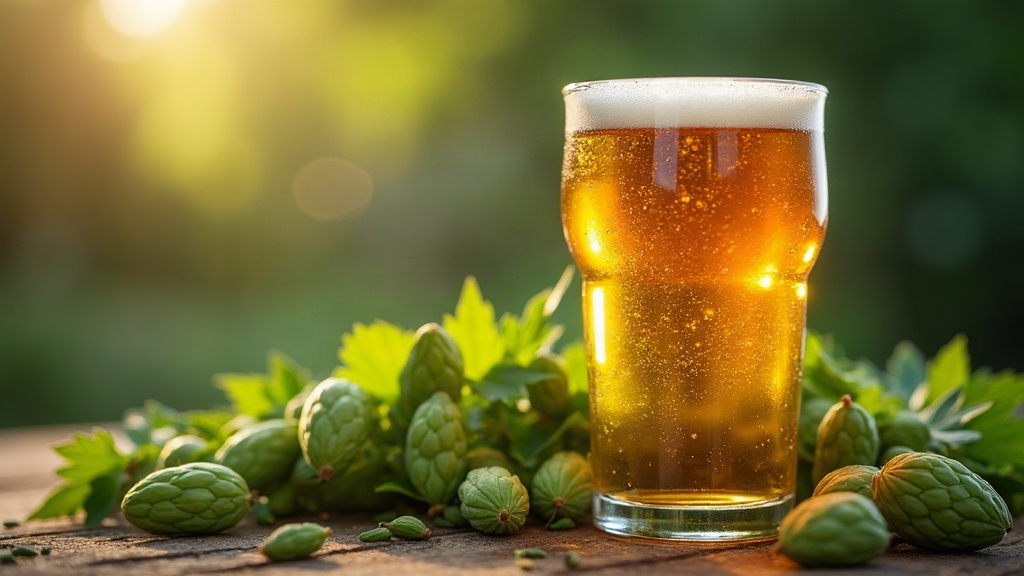
Session IPAs live or die by aroma. With ABV capped around 4-4.5%, there’s no malt backbone to hide behind, so the hop character has to do all the heavy lifting. Two techniques dominate the conversation among homebrewers and pros alike: classic dry-hopping (tossing whole or pellet hops straight into fermented or fermenting beer) and hop tea (steeping hops in hot-but-not-boiling water, then pouring that infused liquid into the fermenter). Both chase the same goal, huge aroma with minimal harshness, but they get there by different roads, and the results aren’t quite the same beer.
What Dry-Hopping Actually Does
Dry-hopping means adding hops directly to beer after fermentation (or during active fermentation, for what brewers call “biotransformation” dry-hops). No heat gets applied here, which changes everything downstream:
- Alpha acids stay largely un-isomerized, so you get minimal added bitterness.
- Volatile aromatic oils (linalool, geraniol, myrcene) dissolve straight into the beer’s alcohol/water matrix.
- Yeast still active during fermentation can metabolically transform some hop compounds, creating fruitier, more layered notes. This is the biotransformation effect so many commercial NEIPA brewers chase, and honestly it’s one of the more interesting bits of brewing chemistry out there.
Typical rates for a session IPA: 3-5 oz per 5 gallons (85-140g per 19L), often split into two additions, one at high krausen (biotransformation) and one at the end of fermentation or during cold crash (for a cleaner aroma).
Downsides:
- Vegetal, grassy off-flavors can creep in (hop creep issues aside) if the hops sit too long or run too warm.
- Hop creep itself: residual enzymes in the hops can restart fermentation, nudging attenuation up and occasionally causing gushers if you haven’t planned for it.
- You lose beer volume, and hop material trapped in trub can eat up 10-15% of your batch.
What Hop-Tea Addition Does
Hop tea (some call it a “hop stand steep” done on the side, or a “hop infusion”) means steeping hops in water heated to roughly 150-170°F (65-77°C). That’s hot enough to pull out the aromatics and soften the cell walls, but still below the point where heavy isomerization kicks in. Strain it, let it cool, then add the liquid to the fermenter or keg.
Why brewers reach for it:
- It’s quicker than a multi-day dry-hop. A steep usually runs 15-30 minutes, start to finish.
- Less grassy or vegetal character, since the heat deactivates some of the enzymes responsible for those off-notes.
- Hop creep becomes much easier to manage because the enzymes are partially denatured already.
- Cleaner separation overall. Less particulate hop matter ends up in the final beer, which means less trub loss and fewer polyphenol-driven haze headaches down the line.
Downsides:
- Some volatile aromatics flash off during the hot steep, so the aroma can read a touch softer, less “fresh-cut,” than a well-executed dry-hop.
- No biotransformation benefit, since it’s typically added after primary fermentation has wrapped up.
- It’s an extra step: heating water, straining hops, versus just dumping pellets into the fermenter.
Side-by-Side: Which Wins for Session IPA?
| Factor | Dry-Hopping | Hop Tea |
|---|---|---|
| Aroma intensity | Higher, more “raw” | Slightly softer |
| Bitterness added | Very low | Very low |
| Grassy/vegetal risk | Higher if long contact | Lower |
| Hop creep risk | Higher | Lower |
| Biotransformation | Yes (if during fermentation) | No |
| Hop material loss | Higher | Lower |
| Turnaround time | 2-5 days | Same day |
Practical Recommendation
For a 5.5-6% session IPA built around juicy, tropical hops (Citra, Mosaic, Galaxy), a combination approach usually performs best:
- Biotransformation dry-hop at high krausen (1.5-2 oz / 5 gal) to develop those fruity esters.
- Hop tea addition at packaging or kegging (2-3 oz / 5 gal) for a clean, bright finish, without stretching out contact time or risking extra haze.
This hybrid gets you the complexity of yeast-driven biotransformation plus the speed and clarity of a hop tea, and it sidesteps most hop creep risk since the tea portion never touches live fermentation.
Only have time for one method? Straight dry-hopping still delivers the bigger, more hop-forward aroma that session IPA drinkers want. Just watch your contact time (48-72 hours max) and keep temps below 68°F (20°C) so things don’t turn grassy on you.
Conclusion
Dry-hopping delivers the biggest aroma punch and all that biotransformation complexity, but it comes with more risk: grassiness, creep, hop loss. Hop tea trades a little of that raw aromatic intensity for speed, a cleaner beer, and lower risk overall. For most session IPA brewers, blending both methods, a fermentation dry-hop for depth paired with a hop tea at packaging for brightness, lands right in that sweet spot between big aroma and a beer that actually drinks consistent, batch after batch.