Kombucha SCOBY Hotel vs Continuous Brew: Which Fits You?
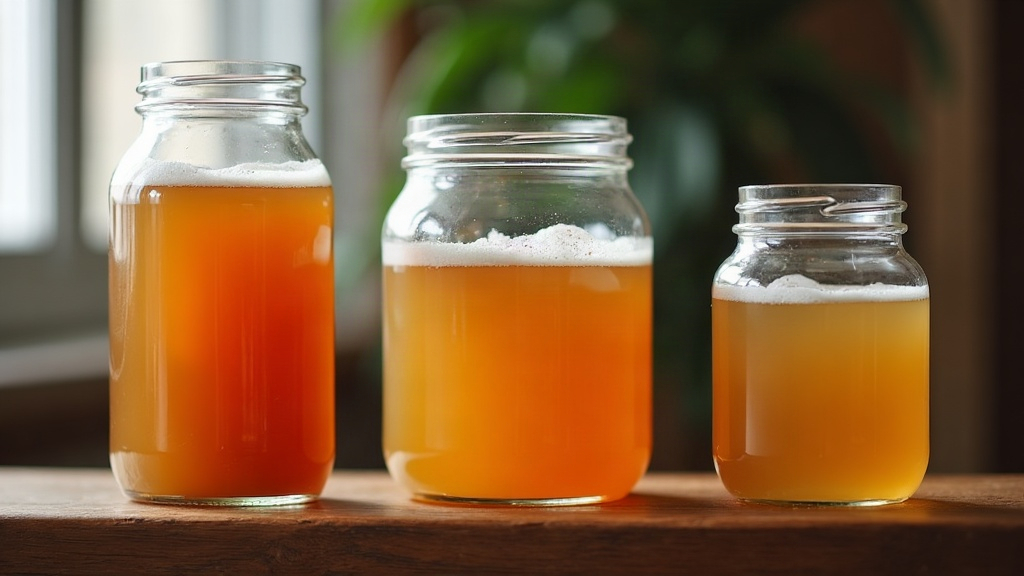
If you’ve been brewing kombucha for more than a month or two, you’ve probably hit a fork in the road: keep brewing in separate batches and store your extra SCOBYs in a “hotel,” or switch to a continuous brew (CB) system that never fully empties. Both methods make great kombucha, but they suit very different kitchens, schedules, and personalities. Here’s how to figure out which one actually fits your life.
What Is a SCOBY Hotel?
A SCOBY hotel is just a jar (or a few of them) where you keep extra SCOBYs floating in some finished kombucha as a reserve. Every time you want to brew, you grab a SCOBY from the hotel, use it, and usually drop a fresh “baby” layer back in once the new batch is done.
Pros:
- Flexible. Brew whenever you feel like it, skip a few weeks if life gets busy or you’re traveling
- A built-in backup if a batch ever gets contaminated
- Easy to hand SCOBYs off to friends who want to start their own brew
- Works fine in a small kitchen with a single 1-gallon jar
Cons:
- You need a dedicated jar (or two) just sitting there for storage
- The hotel needs an occasional splash of tea and sugar so the SCOBYs don’t starve
- Every batch starts from zero, which means more hands-on work each round
What Is Continuous Brew?
Continuous brew runs out of one large vessel, usually somewhere between 2 and 5 gallons, fitted with a spigot near the bottom. Instead of dumping out the whole SCOBY and liquid each time, you draw off finished kombucha through the spigot and pour fresh sweet tea back in to replace it. The SCOBY just stays put indefinitely, getting thicker as the months go by.
Pros:
- Less work per glass. Open the spigot, pour, done
- Flavor tends to be steadier, since the culture matures without being disturbed every time
- No constant SCOBY handling, which cuts down on contamination risk from transfers
- Ideal if you want kombucha on tap every single day
Cons:
- Needs a bigger vessel that basically lives in one spot permanently
- Spigots can clog with yeast strands, or leak if they’re cheaply made
- Harder to take a break. Even if you’re not drinking much, the culture still needs regular feeding
- The SCOBY can grow huge over time and eventually need trimming
Space and Lifestyle Considerations
Ask yourself these questions before picking a side:
- How much counter space do you actually have? A CB vessel tends to be 1 to 2 feet tall and parks itself in one spot for good. A SCOBY hotel, on the other hand, can live in a cabinet between brews.
- How often do you drink kombucha? Daily drinkers get the most out of CB’s “always ready” setup. If you only brew occasionally, batch brewing with a hotel for backup cultures makes more sense.
- Do you travel a lot, or brew on an irregular schedule? Batch brewing is more forgiving here. Hotel SCOBYs can sit in reserve liquid for weeks without much fuss.
- Do you like fiddling with flavor? Batch brewing gives you control over tea type, sugar levels, and fermentation length for each round. CB flavor evens out over time since old and new liquid keep mixing together.
Maintenance Comparison
| Task | SCOBY Hotel + Batch Brew | Continuous Brew |
|---|---|---|
| Daily effort | None | Minimal (check the spigot) |
| Per-batch effort | Moderate (full setup every round) | Low (draw off and refill) |
| Cleaning | Full jar cleaning between batches | Occasional deep clean (every few months) |
| Risk of mold | Slightly higher (more handling) | Lower if the spigot stays sanitary |
| Flavor consistency | Varies batch to batch | Very consistent |
Can You Do Both?
A lot of experienced brewers end up running both at once: a continuous brew vessel for everyday drinking, plus a small SCOBY hotel tucked away as backup in case the CB culture ever needs replacing or you want to share a SCOBY with someone. You get the convenience of CB with the safety net of a hotel sitting in reserve.
Final Verdict
- Go with a SCOBY hotel + batch brewing if counter space is tight, you only brew now and then, or you like experimenting with different teas and flavors each time.
- Go with continuous brew if you drink kombucha daily, want as little fuss as possible, and have the room for a vessel that stays put.
Neither approach beats the other on paper. It really comes down to matching the system to your kitchen size, how often you drink, and how much hands-on control you actually want. Pick whichever fits your current routine, and don’t worry, you can always switch later, or run both, as your kombucha habit grows.