Wild Yeast vs Commercial Ale Yeast in a Single-Hop Pale Ale
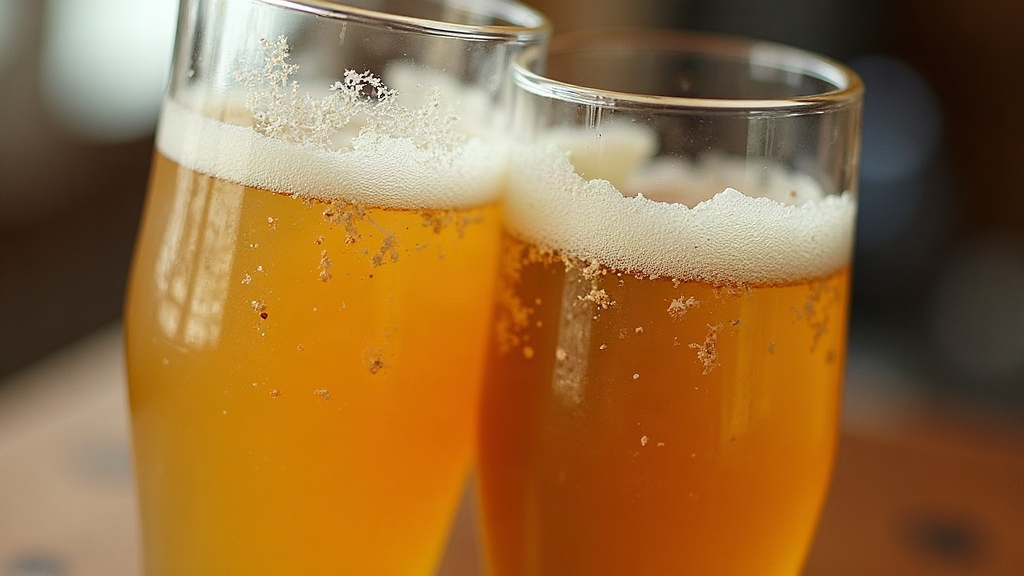
Choosing between wild yeast and a commercial ale strain for a single-hop pale ale really comes down to one tradeoff: predictability versus complexity. A single-hop pale ale is about as transparent as beer styles get. With only one hop variety in the glass, whatever your yeast throws off will show up loud and clear, for better or worse. That’s why yeast selection matters more here than in almost any other style you’ll brew.
Why Single-Hop Pale Ales Are the Perfect Test Bed
Single-hop pale ales exist to showcase a single hop variety, stripped of the blending and layering you’d get from a three or four hop bill. There’s no second hop to hide behind, so any esters, phenols, or off-notes coming from your yeast will either play nicely with the hop or fight it. Brewers lean on this style as a kind of diagnostic tool, and not just for hops. It works just as well for sizing up yeast strains.
Commercial Ale Yeast: The Reliable Choice
Commercial ale yeasts (WLP001, Wyeast 1056, Safale US-05, that whole American Ale family) are bred for one thing above all: consistency.
Strengths:
- Clean, neutral fermentation that steps aside and lets the hop aromatics do the talking
- Predictable attenuation, usually landing in the 73-80% range
- Reliable flocculation, meaning clearer beer without reaching for a filter
- Repeatable results, batch after batch, which matters a lot when you’re trying to isolate what a hop actually tastes like
Tradeoffs:
- Can feel a little “safe,” even flat, if you’re after something more distinctive
- Not much terroir or story here. Two different breweries pitching US-05 will land in roughly the same place, yeast-wise
If you’re brewing a single-hop pale ale to spotlight Citra or Mosaic, a clean American ale yeast is almost always the smarter call. It takes one variable off the table, so whatever notes you pick up in the glass, you can attribute them to the hop with real confidence.
Wild Yeast: The Wildcard
Wild yeast, whether it’s captured from the air, pulled off fruit skins, cultured from a sourdough starter, or bought as a “wild” commercial product like Brettanomyces or a mixed culture, behaves unpredictably almost by definition.
Strengths:
- Complex, funky character: fruity one week, barnyard-ish the next, sometimes both in the same glass
- Can produce a genuinely one-off beer that no commercial strain will ever replicate
- Sometimes pairs surprisingly well with certain hops. Tropical varieties like Galaxy, for instance, can play nicely against a light touch of Brett funk
Tradeoffs:
- Attenuation is a moving target. Some wild strains keep chewing away for weeks, even months, after you thought fermentation was done
- Bigger risk of things going sideways: excess acetic acid, mousy phenols, sourness you didn’t ask for
- Inconsistent from batch to batch, which makes it genuinely hard to tell what the hop is doing versus what the yeast is doing
- Longer conditioning. Think 2 to 6 months, compared to 2-3 weeks for a clean ale yeast
Head-to-Head: What Actually Happens in the Glass
| Factor | Commercial Ale Yeast | Wild Yeast |
|---|---|---|
| Hop clarity | High, hop dominates | Variable, yeast often competes |
| Fermentation time | 5-10 days | Weeks to months |
| Flavor consistency | Very high | Low to moderate |
| Risk of off-flavors | Low | Moderate to high |
| Best hop pairing | Citrus/tropical (Citra, Mosaic) | Earthy/tropical, funk-tolerant (Galaxy, Nelson Sauvin) |
Which Should You Choose?
- If your goal is to evaluate or showcase a hop variety, go with a clean commercial ale yeast. This is the default for hop trial batches, brewery R&D, and any competition-style single-hop pale ale.
- If your goal is a distinctive, artisanal beer and you’re fine with longer timelines and a bit of unpredictability, wild yeast can give you something genuinely memorable. Just don’t expect the hop to stand alone. It’ll fold into a more complex, layered flavor instead.
- A middle path worth trying: pitch a clean ale yeast for the primary fermentation, then add a small dose of wild culture (or a straight Brett strain) for secondary. You get hop clarity up front, then a layer of funk that builds in over the following weeks.
Practical Tips
- Running a wild yeast experiment? Keep a control batch fermented on a known commercial strain so you actually have something to compare against.
- Track your fermentation temperature. Wild strains are far more sensitive to swings than commercial ale yeast tends to be.
- Taste at multiple checkpoints, say 2 weeks, 6 weeks, and 3 months, because wild yeast profiles can shift a lot over that window.
- If funk is really the point, pick your single hop around the yeast, not the other way around.
Conclusion
For a single-hop pale ale, commercial ale yeast is the safer, more honest choice if your real priority is showing off the hop accurately. Wild yeast is the riskier, more adventurous route: capable of producing a genuinely unique beer, but you’ll pay for it in consistency and hop clarity. Plenty of experienced brewers end up running both side by side, then let the results in the glass point them toward whichever direction actually fits what they’re trying to brew next.