Oak Chips vs Oak Spirals for Aging One-Gallon Mead
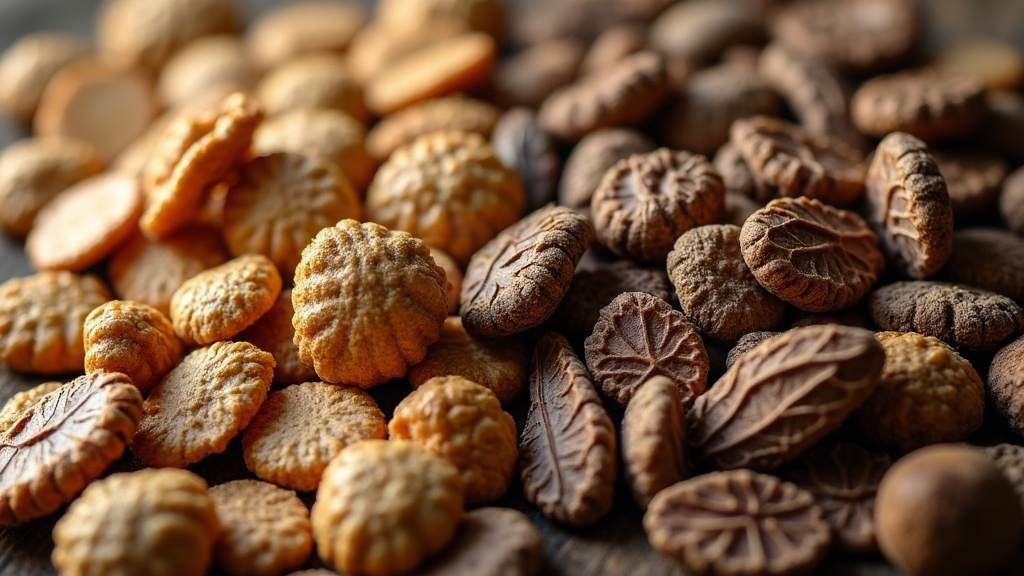
If you’re wondering whether oak chips or oak spirals work better for a one-gallon batch of mead, here’s the quick version: chips give you fast, punchy flavor and let you dial in the toast level exactly how you want it. Spirals, on the other hand, extract more slowly and evenly, and they’re a lot easier to pull out cleanly when you’re done. For most one-gallon brewers, chips are the better entry point if you want results in a couple of weeks. Spirals make more sense if you’re the patient type chasing something subtler.
Why Oak at All?
Mead by itself can taste flat, almost one-note, especially traditional honey-only versions. Oak fixes that by adding:
- Tannin, which gives the mead structure and a fuller mouthfeel
- Vanillin, for that warm, dessert-like sweetness
- Lactones, which bring coconut and toasty character
- Color, deepening the darker the toast gets
Even a small dose of oak can turn a watery-tasting mead into something that drinks like it spent time in a barrel. You just need a few grams of wood to get there, not an actual oak cask sitting in your garage.
Oak Chips: Fast and Flexible
Chips are small, irregular wood pieces, typically sold as light, medium, or heavy toast. Because they have so much surface area relative to their size, they give up flavor quickly, sometimes faster than people expect.
Pros:
- Fast extraction, you’ll notice a change within 5 to 10 days
- Available in multiple toast levels and wood origins (American, French, Hungarian)
- Cheap and easy to find at any homebrew shop
Cons:
- Easy to overdo it if you leave them in too long
- Small fragments can clog siphons or sneak through during racking
- Flavor consistency can vary batch to batch depending on chip size
Best dosage for one gallon: Start with 0.25 to 0.5 ounces (roughly 7 to 14 grams) of medium toast. Begin tasting around day 5, then check again every 3 to 4 days. Once it tastes the way you want, rack the mead off the oak immediately. Waiting even a few extra days can tip it from “nicely oaked” to “tastes like a pencil.”
Oak Spirals: Slow and Steady
Spirals are long strips of carved wood, coiled up like a tiny wooden slinky. They’re built for longer contact time and give you a gentler, more linear extraction curve rather than a quick jolt.
Pros:
- More forgiving, it’s genuinely hard to wreck a batch with over-oaking in a short window
- Can sometimes be rinsed and reused for a second, milder pass
- Simple removal, just lift the spiral out, no sediment of tiny wood bits left behind
Cons:
- Slower payoff, expect 2 to 4 weeks before flavor really shows up
- Fewer toast-level choices than chips
- Costs a bit more per use
Best dosage for one gallon: A quarter or half spiral (sized for 1-gallon vessels) is typically enough. Start checking flavor at week 2, then weekly after that.
Side-by-Side Comparison
| Factor | Oak Chips | Oak Spirals |
|---|---|---|
| Speed of extraction | Fast (5-10 days) | Slow (2-4 weeks) |
| Control/precision | Moderate, needs frequent tasting | Easier, less daily monitoring |
| Removal ease | Harder (small fragments) | Easy (pull out whole piece) |
| Toast variety | Wide | Limited |
| Cost per batch | Low | Slightly higher |
| Best for | Beginners, quick turnarounds | Patient brewers, subtle oaking |
Which Should You Choose for a One-Gallon Batch?
- Go with chips if you’re experimenting, want to compare toast levels, or need to bottle in the next few weeks.
- Go with spirals if you’re already aging the mead for months anyway (say, a traditional or melomel that needs time to mellow) and you’d rather not babysit the oaking process daily.
There’s a hybrid route too: toss in chips for a quick early boost during the first two weeks of secondary, then rack to a clean vessel once you hit the flavor you’re after. For anyone bulk aging past the 3-month mark, adding a spiral partway through secondary builds complexity without requiring you to check in constantly.
A Few Practical Tips
- Sanitize your oak before it goes in. A short soak in a neutral spirit like vodka works well, or steam it, either method also helps pre-condition the wood.
- Taste in small steps. Oak compounds build over time, so what’s barely noticeable on day 5 might taste like a 2x4 by day 12.
- Write down the toast level, amount used, and days of contact. That’s really the only reliable way to recreate a batch you liked.
- Try different wood origins across batches, French oak tends toward spice, American oak leans vanilla, so you can figure out what you actually prefer.
Conclusion
Chips and spirals can both make a one-gallon mead taste more complex, but they fit different brewing rhythms. Chips are quick, cheap, and great for anyone who wants to tinker and taste along the way. Spirals are slower and gentler, better suited to long aging projects where you’d rather not fuss over timing. Start with a small amount, taste often, and let the mead itself (not a stopwatch) tell you when it’s ready.