Saffron-Infused Lacto-Fermented Carrots: Recipe & Troubleshooting
Why Saffron and Carrots Work Together
Carrots might be the most forgiving vegetable you can throw into a fermentation crock. They’re firm, they hold their crunch, and they’re sweet enough that even a beginner batch of lacto-fermented vegetables usually turns out fine. Saffron just happens to be a natural match, for a few reasons:
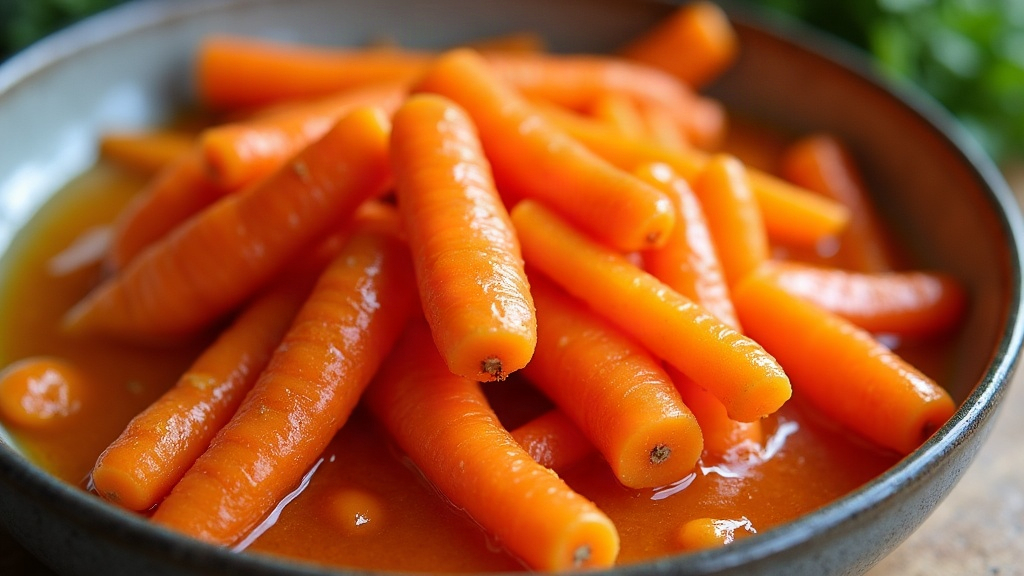
- Color - those crocin pigments in saffron bleed into the brine and stain the carrot edges a warm, almost sunset-orange.
- Flavor - the honeyed, faintly earthy taste of saffron softens the sharp sourness that lactic acid brings.
- Aroma - a small pinch, maybe 20 threads, is enough to perfume an entire jar. Suddenly plain carrots smell like something from a spice market.
Skip the expensive stuff if you want, but do look for “poushal” or “sargol” grade threads. Avoid pre-ground “saffron” powder. A lot of it is cut with turmeric or dyed filler, and you won’t get the real flavor or color payoff.
Equipment You’ll Need
- 1 wide-mouth glass jar (a quart or liter works fine)
- A fermentation weight (glass or ceramic), or a small food-safe bag filled with brine as a substitute
- An airlock lid, or just a loose-fitting lid you burp daily
- A kitchen scale (guessing at salt ratios is where most people go wrong)
- A non-metal utensil for packing the jar
Saffron-Infused Lacto-Fermented Carrots Recipe
Makes about 1 quart/liter.
Ingredients
- 600 g (about 1.3 lb) carrots, peeled
- 2 cups (500 ml) non-chlorinated water (filtered, or boiled and cooled)
- 10 g fine sea salt or kosher salt (a 2% brine by water weight)
- A generous pinch of saffron, about 20 threads or 0.1 g
- 1-2 cloves garlic, smashed (optional)
- 1 thin slice fresh ginger (optional)
- 1 small bay leaf (optional, helps with crispness)
Instructions
- Bloom the saffron. Pour 2 tablespoons of warm, not boiling, water over the threads in a small bowl. Give it 10 minutes. You’ll know it’s ready when the water turns a deep, almost egg-yolk yellow.
- Make the brine. Dissolve the 10 g of salt into the rest of the water, stirring until it disappears completely. If your tap water is chlorinated, either let it sit uncovered overnight or boil and cool it first. Chlorine will slow your fermentation down, sometimes stall it entirely.
- Cut the carrots. Aim for sticks about 3 inches (7-8 cm) long and roughly ½ inch (1 cm) thick, or slice them into coins if you prefer. Try to keep the pieces the same size. Uneven cuts ferment unevenly, and you’ll end up with some pieces mushy and others still crunchy.
- Pack the jar. Stand the carrot sticks upright, leaving about 1½ inches (4 cm) of headspace at the top. Tuck the garlic, ginger, and bay leaf in among the carrots. Pour in the bloomed saffron along with its steeping liquid, then top off with the salt brine until everything’s submerged.
- Submerge and seal. Set a fermentation weight on top so not a single carrot peeks above the liquid. Seal with an airlock lid, or, if you’re using a regular lid, loosen it a quarter turn so the gas has somewhere to go.
- Ferment. Keep the jar somewhere between 60-72°F (16-22°C), away from direct light, for 5 to 10 days. Start tasting on day 5. The carrots are ready once they’re as tangy as you like and still snap when you bite them.
- Store. Happy with the flavor? Move the jar to the fridge. Cold temperatures nearly freeze the fermentation process, and the carrots will keep for 3 to 6 months.
Lacto-Fermented Carrot Troubleshooting
Even a straightforward ferment can throw you a curveball now and then. Here’s how to read the signs and fix what’s going wrong.
“Nothing is bubbling. Is it fermenting?”
Gentle bubbling, a cloudy brine, and a sour smell all mean things are working as they should. If you’re three or four days in and see nothing:
- Check the room temperature. Below 60°F (16°C), fermentation practically stalls. Move the jar somewhere warmer, maybe near the stove or on top of the fridge.
- Double check your salt ratio. Anything above 5% brine can put the brakes on lactic acid bacteria.
- Think about your water source. Chlorinated tap water, or water loaded with added minerals, can hold fermentation back.
No mold, no foul smell? Just be patient and give it another day or two.
“My carrots turned soft or mushy”
Crunch depends on a handful of variables, and soft carrots usually trace back to one of these:
- Not enough salt - keep it at 2% brine or slightly above.
- Too warm a spot - anything past 75°F (24°C) speeds up the whole process and softens texture along the way.
- No tannins in the mix - toss in a bay leaf, grape leaf, or oak leaf. They help the cell walls stay firm.
- Left too long - the longer it ferments, the softer it gets. Once it tastes right, get it into the fridge.
“There’s a white film on top”
A thin, flat, whitish layer is almost certainly kahm yeast. It’s harmless, if a bit funky smelling, and you can just skim it off with a clean spoon and carry on. What you don’t want is actual mold: fuzzy, raised, and colored blue, green, or black. If you see that, the whole batch goes in the trash.
“There’s a bad or rotten smell”
A properly fermenting jar smells sour, briny, maybe a touch garlicky. If it smells like a sewer, sulfur, or something rotting, that’s spoilage, usually caused by a piece of carrot floating above the brine line and rotting in the open air. Toss the batch. Next time, use a real weight and pay closer attention to your headspace.
“The color faded or looks dull”
Saffron’s pigment doesn’t love light. Keep the jar out of direct sun while it ferments, and store finished jars somewhere dark in the fridge. Some fading is completely normal, by the way, and it won’t touch the flavor.
“It’s too sour, or not sour enough”
- Too sour - you probably let it go too long, or it was fermenting somewhere too warm. Next round, taste earlier, around day 3 or 4, and refrigerate sooner.
- Not sour enough - give it more time, or bump the temperature up slightly to 68-72°F. Sweeter carrots simply need longer to convert all that sugar.
Tips for the Best Batch
- Weigh, don’t eyeball. Measuring salt by volume is a gamble. A 2% brine by water weight is your safest bet, every time.
- Start tasting on day 3. Sourness is subjective. The jar’s “done” the moment it tastes right to you, not before.
- Keep it all under the brine. Exposed vegetables are the number one reason ferments turn moldy or mushy.
- Keep the first batch simple. Leave out the ginger and garlic so you can actually taste what saffron alone brings to the jar.
Conclusion
Saffron-infused lacto-fermented carrots are about as low-effort as fermentation gets, and the payoff is real. A 2% brine, a pinch of bloomed saffron, and five to ten days of waiting get you a crisp, golden, faintly floral ferment that beats anything sitting on a store shelf. When something goes sideways, whether it’s a slow start, soft texture, or that white kahm film, the fix is almost always a small tweak to salt, temperature, or submersion. Keep the carrots covered, the jar cool, and the saffron genuine, and you’ve got yourself a vibrant probiotic side dish for salads, grain bowls, or just eating straight out of the jar with a fork.