Cold-Steeping Juniper Berries for Foraged Kvass
Why Cold-Steep Juniper Instead of Boiling It
Juniper gives kvass that piney, resinous backbone everyone loves, but it’s also one of the easiest botanicals to wreck with heat. Boil it, or even just hot-steep it, and you drive off the delicate volatile oils while dragging out a harsh, turpentine-ish bitterness that lingers on the tongue. Cold-steeping works the opposite way. Slow, low-temperature extraction coaxes out the bright citrus-and-forest notes and leaves most of the astringency locked inside the berry. This guide covers how to cold-steep juniper berries for a foraged lacto-fermented kvass: picking the right berries, nailing the ratios, and a full recipe you can actually brew at home.
Cold steeping is really just diffusion. Crushed juniper berries sit in cool water, and their essential oils and sugars slowly dissolve out while tannins and the heavier bitter compounds mostly stay put in the fruit. What you end up with is a cleaner, brighter infusion.
Hot water does the opposite: it grabs everything at once. Give it a few minutes and juniper flips from aromatic to medicinal, the kind of drink that puckers your whole mouth. If you’ve ever made a juniper tea or syrup that tasted faintly like floor cleaner, heat was almost certainly the culprit.
The case for the cold method comes down to a few concrete points:
- Preserves volatile aromatics. Pinene, limonene, myrcene, the compounds that give juniper its pine-and-citrus character, are fragile. Heat evaporates or breaks them down fast.
- Avoids harsh bitterness. Tannins and resinous polyphenols mostly stay behind in the fruit, so the infusion stays smooth instead of biting.
- Softer, more layered flavor. You get the floral top notes without the rough finish that boiling leaves behind.
- No energy, no scorching risk. It’s a passive step. Set it in the fridge overnight and forget about it.
Foraging and Choosing the Right Juniper
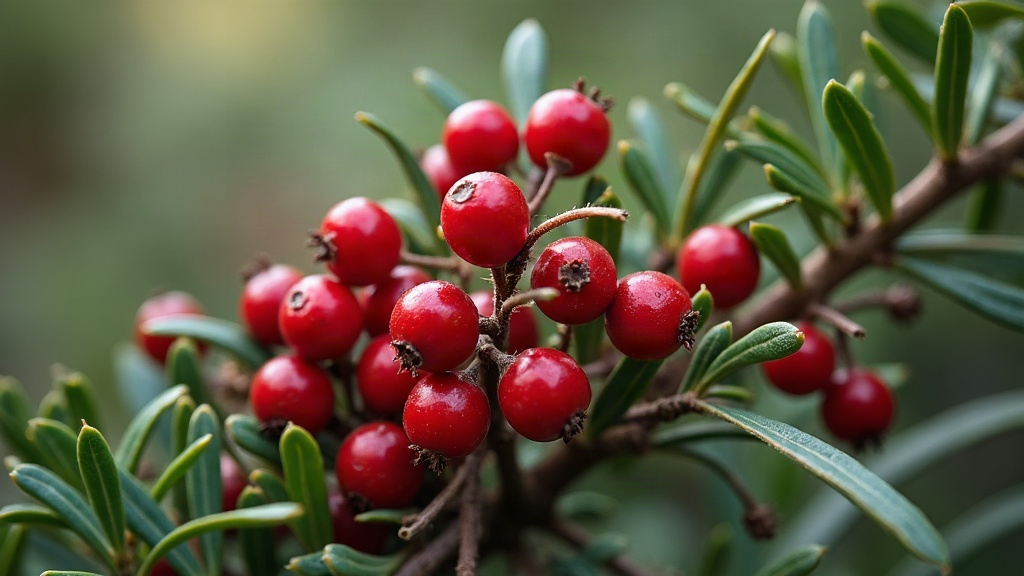
The only juniper worth cooking or fermenting with is common juniper (Juniperus communis). What people call a “berry” isn’t a berry at all, it’s a fleshy, modified cone (a galbulus) that takes two to three years to ripen. That’s why you’ll often spot green, unripe cones sitting right next to deep blue ripe ones on the same branch.
When you’re out foraging, check for:
- Color — deep blue-purple to blue-black, usually with a frosted, silvery bloom on the skin.
- Texture — slightly soft and a bit resinous to the touch, not rock-hard or shriveled dry on the bush.
- Leaf shape — common juniper has sharp, needle-like leaves growing in whorls of three, not the flat, scale-like foliage of other junipers.
One safety point worth repeating: stay away from savin juniper (Juniperus sabina), which is toxic. Savin has overlapping, scale-like leaves and foul-smelling, often blue-black “berries” on a low, spreading shrub, quite different from the upright needle look of common juniper. If you’re not 100% sure what you’re looking at, just buy culinary dried juniper berries from a reputable spice supplier. For kvass purposes, the flavor is nearly indistinguishable.
The Cold-Steep Method: Ratios, Time, and Temperature
The extraction itself is forgiving, but a handful of numbers make it repeatable.
- Ratio: 1 tablespoon of lightly crushed juniper berries per quart (1 L) of cold, filtered water. Start conservative here; juniper is more potent than people expect.
- Crushing: Crack each berry just once, the flat side of a knife or the bottom of a glass works fine. You want to expose the inner flesh, not pulverize the seed, since a smashed seed releases extra bitterness you don’t want.
- Temperature: Cold to cool water, roughly 40-60°F (4-15°C). Keep it in the fridge to stay on the low end and avoid any premature fermentation or mold creeping in.
- Time: 12-24 hours. At 12 hours you’ll taste bright pine and lemon zest. Push to 24 hours and the resin deepens into something closer to gin. Taste it at the 12-hour mark and decide from there.
Strain through fine mesh or cheesecloth, pressing gently to get the last of the liquid out. Use it right away, or refrigerate for up to three days.
Making the Foraged Kvass
This recipe pairs the juniper cold-steep with the traditional rye bread base of kvass, so you get a malty body underneath those piney high notes.
Ingredients:
- 4 cups (about 200 g) cubed dark rye bread, toasted dark but not burnt
- 3 quarts (about 3 L) water
- 1/2 cup (100 g) sugar (or 2/3 cup honey)
- 1/2 cup active kvass starter, water kefir, or a pinch of baker’s yeast
- 1 tablespoon raisins (for natural carbonation)
- 1 quart (1 L) juniper cold-steep infusion (from above)
- Optional: a few sprigs of foraged mint or a strip of orange peel
Method:
- Toast the rye bread until it’s deeply browned and smells nutty, almost like coffee, then tip it into a large clean jar or crock.
- Boil the 3 quarts of water, pour it over the bread, and let it sit for 4-6 hours until the liquid turns dark amber.
- Strain out the bread, pressing it well to squeeze out the last of the liquid. Stir in the sugar or honey until fully dissolved, then let it cool to room temperature.
- Stir in your starter or yeast, cover loosely with a cloth, and let it ferment at room temperature (65-75°F / 18-24°C) for 24-48 hours, until it tastes pleasantly tangy with a light fizz starting.
- Add the juniper cold-steep infusion, the raisins, and any optional botanicals you’re using. Bottle in swing-top bottles, leaving about an inch of headspace at the top.
- Let it ferment at room temperature for another 12-24 hours to build carbonation, then move it to the fridge. Open carefully over the sink; kvass can get lively.
Flavor Profile and Pairings
A juniper-forward kvass lands somewhere between a rye sour and a botanical tonic. Malt and a gentle sourness hit first, then pine and lemon peel move in, with a faint spice trailing on the finish. It’s excellent cold on its own, or cut one-to-one with sparkling water for something lighter. It also makes a surprisingly good base for a wild sour beer-style shandy, or a low-alcohol cocktail with a squeeze of grapefruit dropped in.
Troubleshooting Common Problems
- Too bitter or piney — cut back to 2 teaspoons of juniper per quart next batch, or shorten the steep to 8 hours.
- No pine flavor — crush the berries more thoroughly, and check that the water isn’t ice-cold, since that slows extraction down considerably.
- Infusion smells “off” or soapy — the berries may be past their prime, or you’ve got a non-culinary species on your hands. Discard it and start fresh with confirmed Juniperus communis.
- Flat kvass — your starter was probably weak, or the room ran too cold. Give it an extra day of primary fermentation, or drop a fresh raisin into each bottle.
Conclusion
Cold-steeping juniper berries for a foraged kvass is the difference between a harsh, medicinal brew and a bright, layered ferment that genuinely tastes like a pine forest poured into a glass. Stick to common juniper, keep the water cold, steep for 12-24 hours, and fold that infusion into a classic rye kvass base. The method is simple, nearly hands-off, and easy to adjust once you know your own taste. Try the clean, resinous lift it adds, and you’ll probably stop boiling juniper for good.